
Neopaul Signs: lichtreclame
Dit familiebedrijf maakt al meer dan 60 jaar merken zichtbaar met lichtreclame, gevelbekleding, bewegwijzering en architecturale verlichting. Alles gebeurt in-house: van ontwerp en productie tot plaatsing en onderhoud.

Meer dan 50 retailprofessionals, vijf organisatoren, één namiddag vol boeiende gesprekken. Een terugblik op The Retail Table en de inzichten die de dag opleverde.
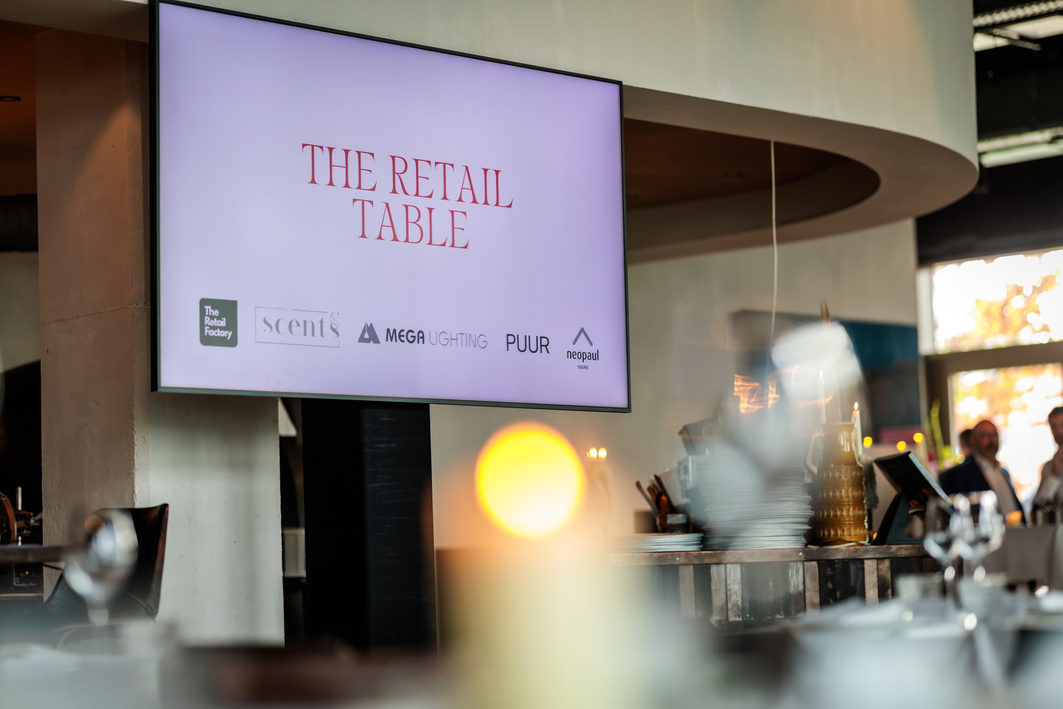
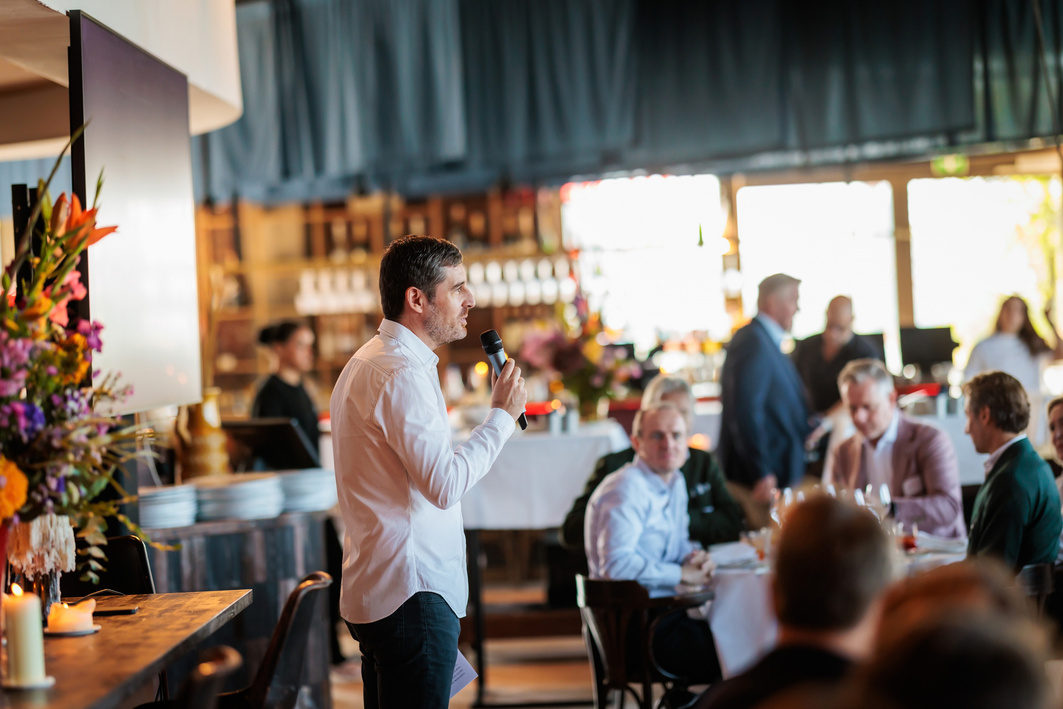
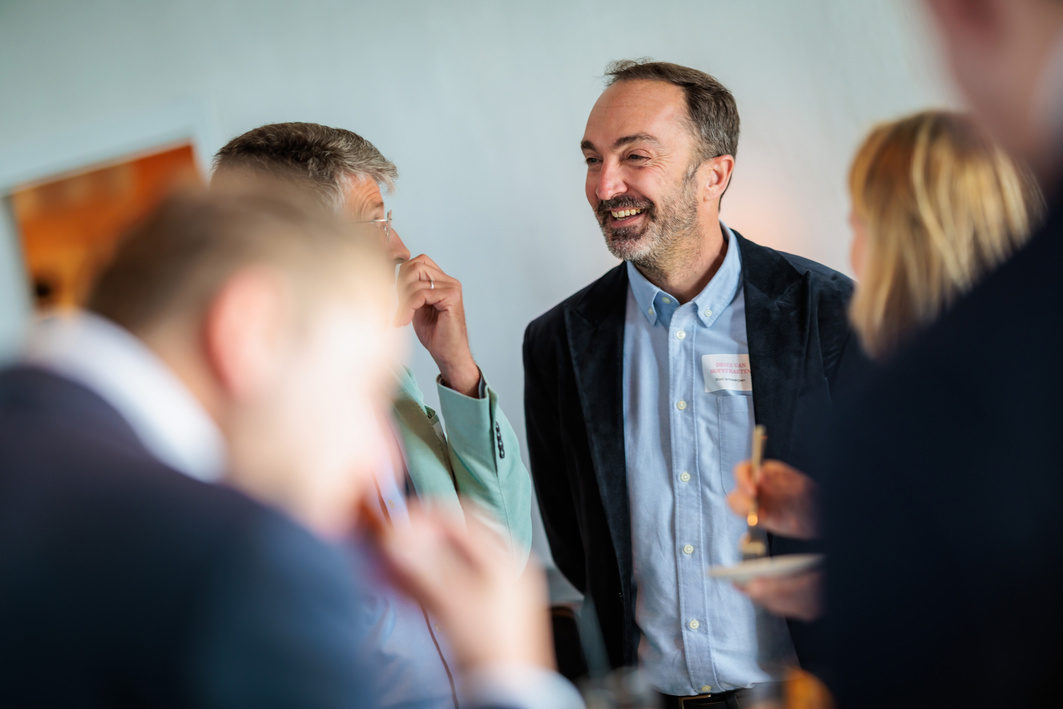
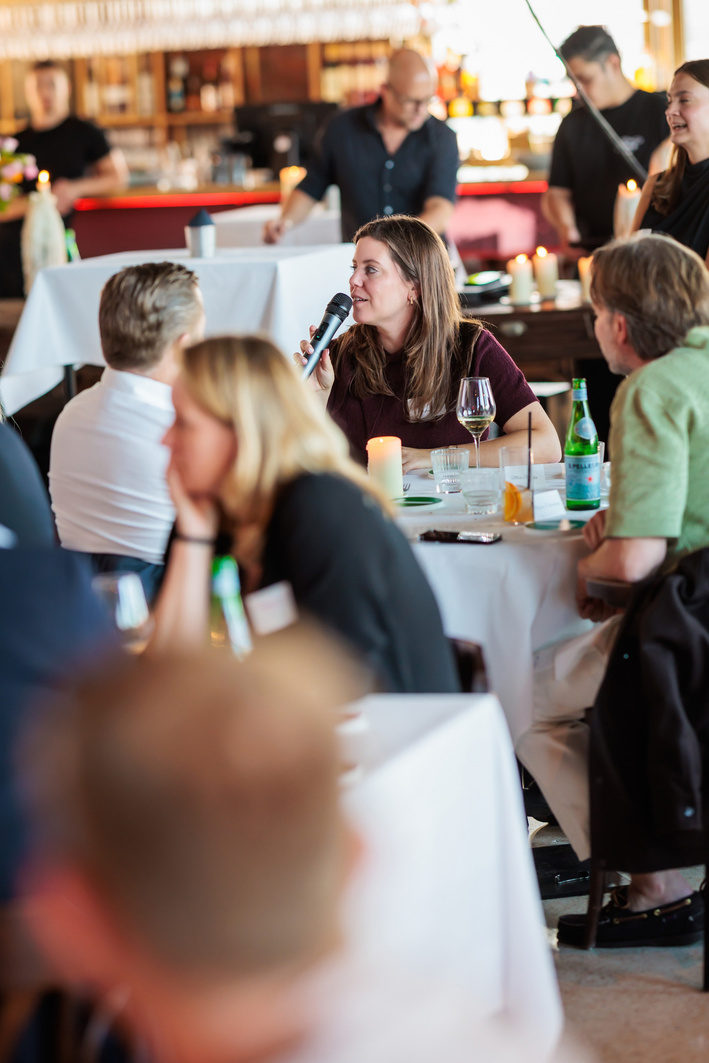
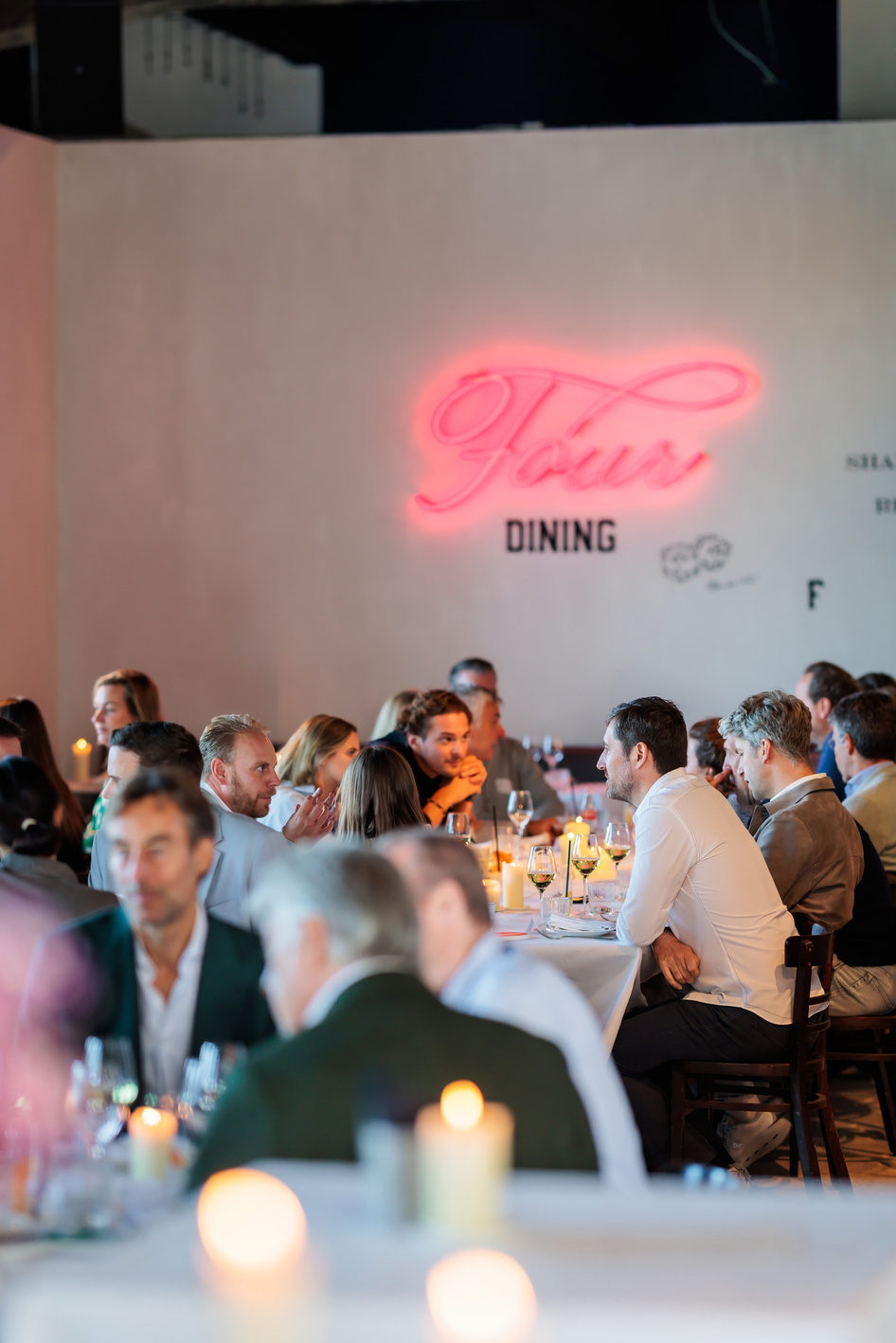
Op dinsdag 6 oktober schoven meer dan 50 retailprofessionals aan tafel bij Four in Antwerpen voor de eerste editie van The Retail Table. Eén vraag stond die namiddag centraal: hoe blijft de fysieke winkel relevant?
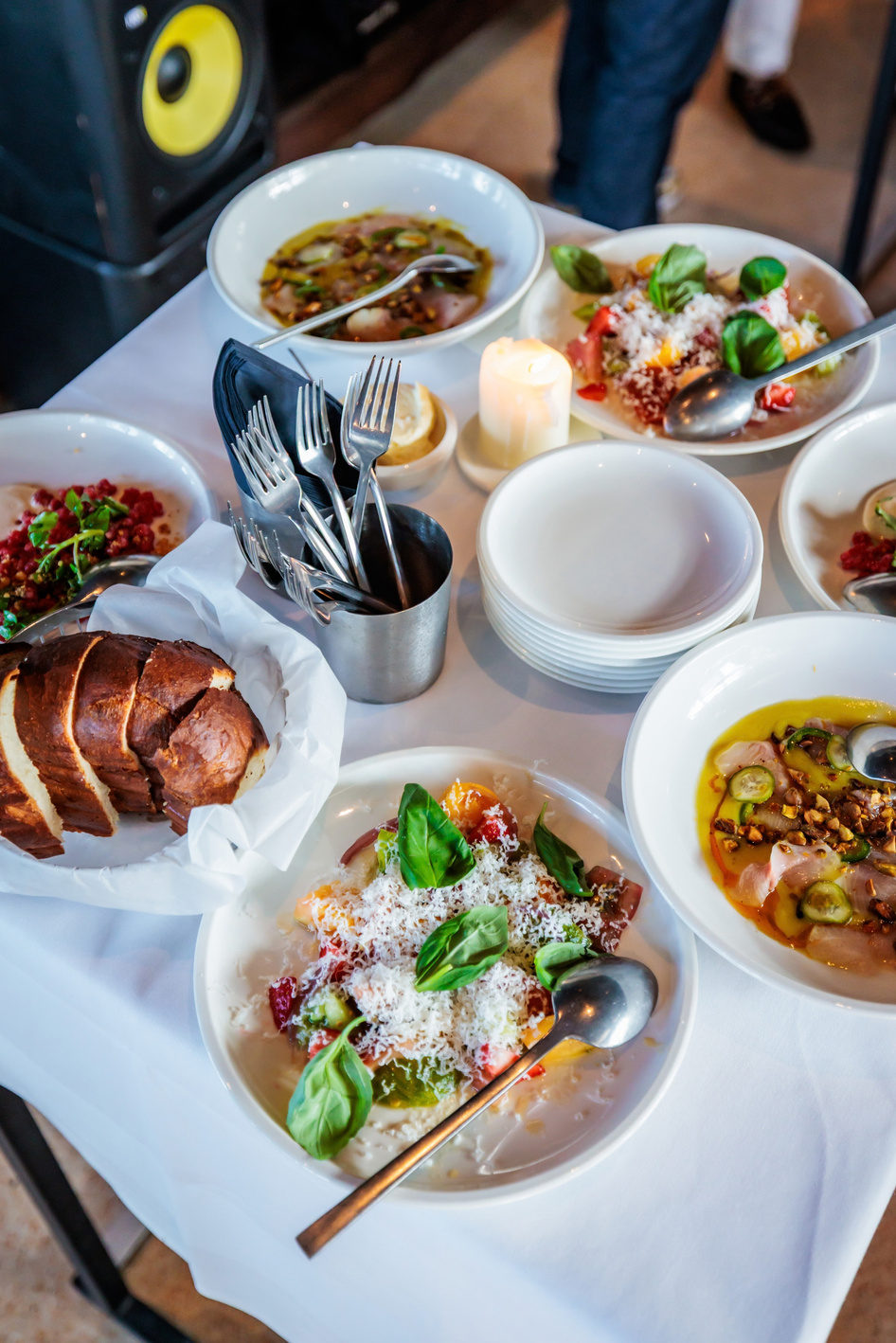
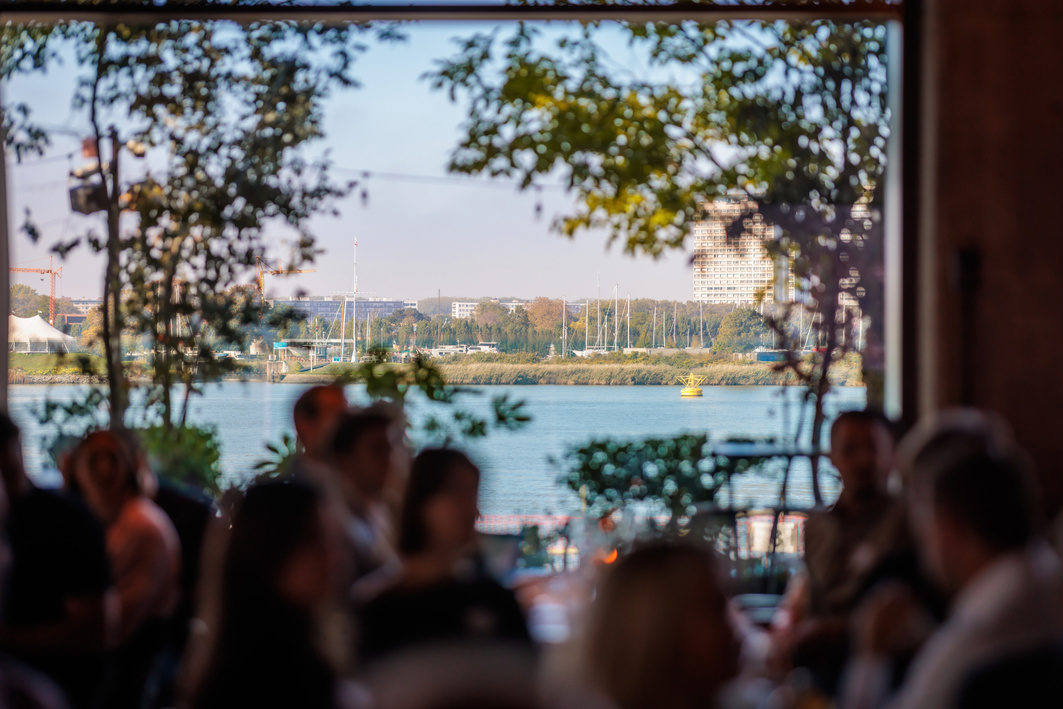
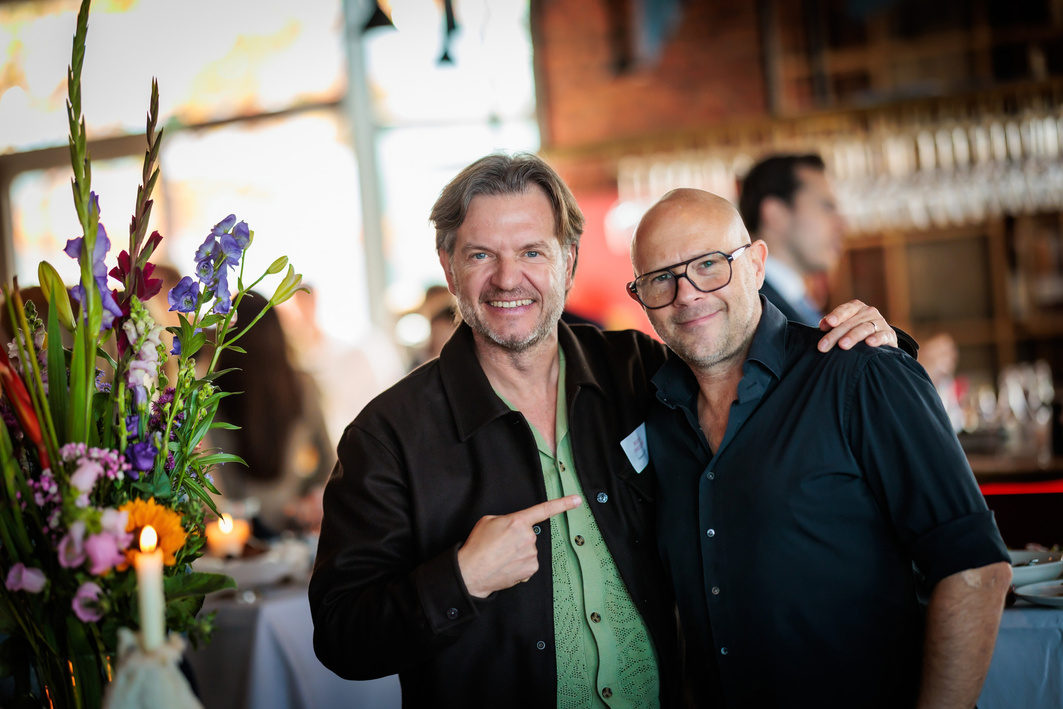
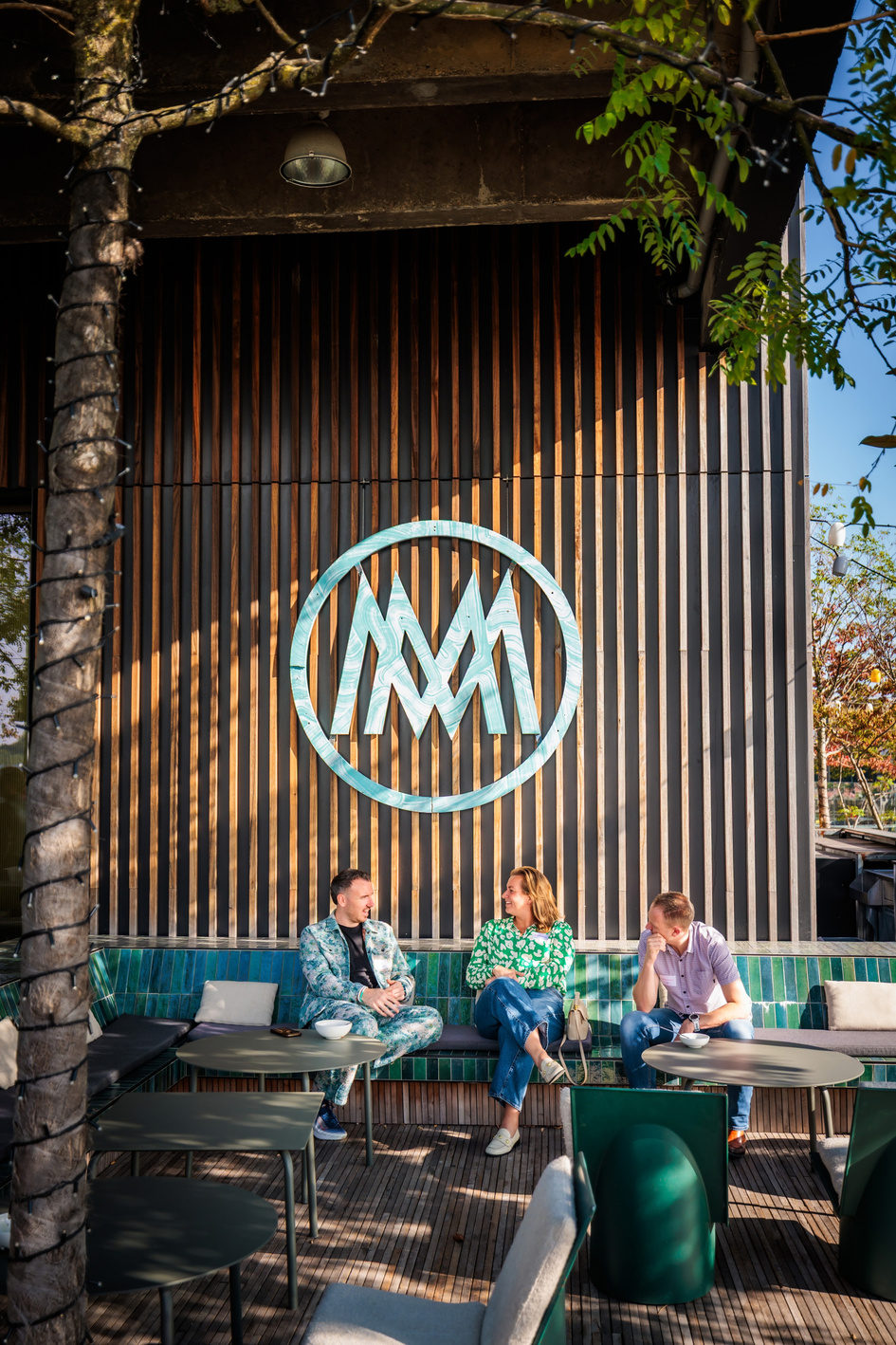
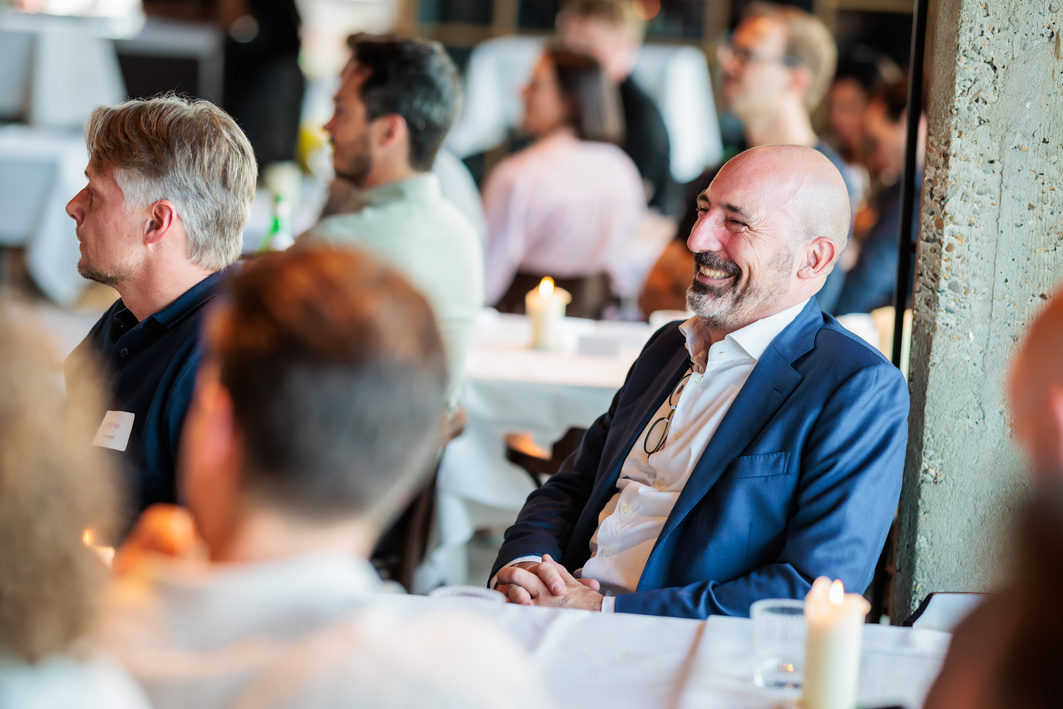
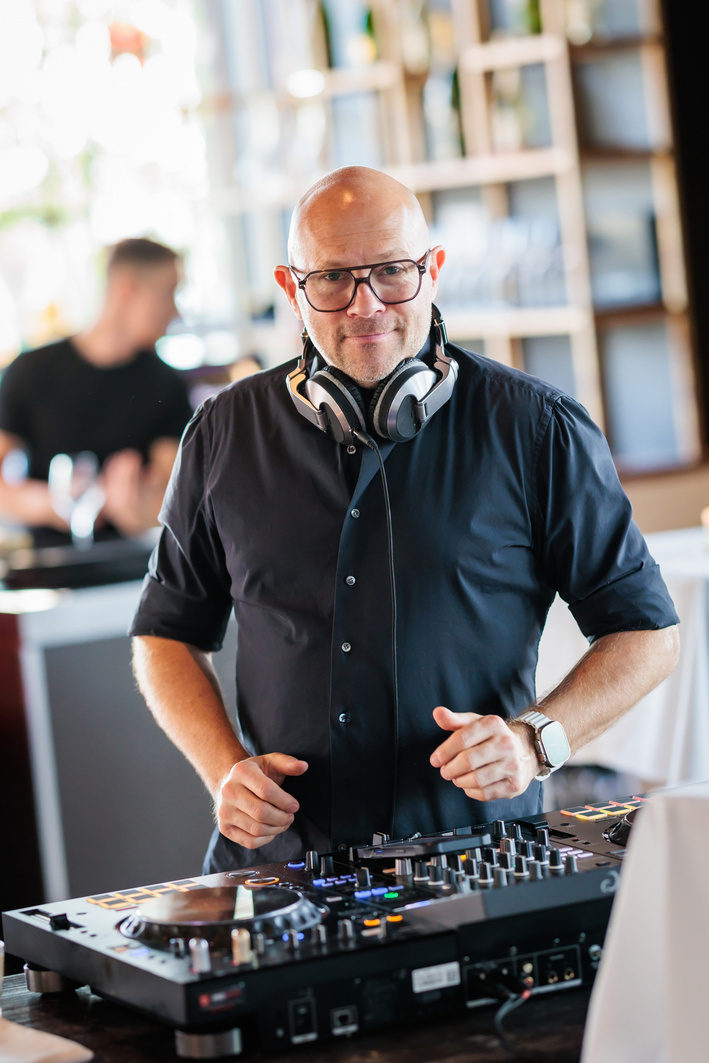
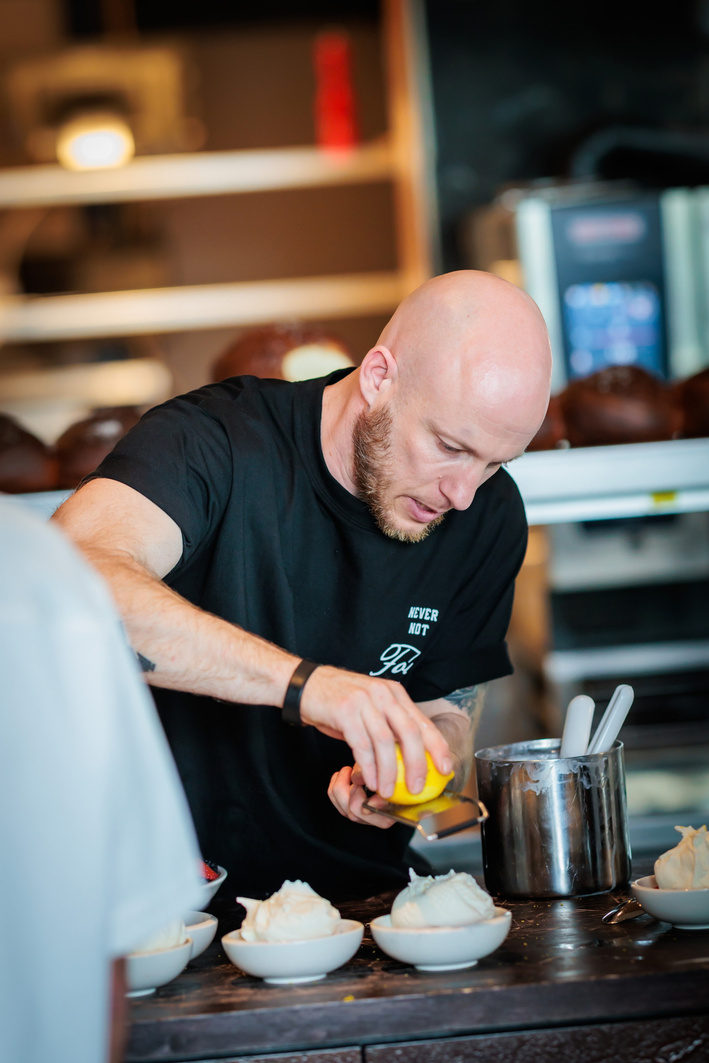
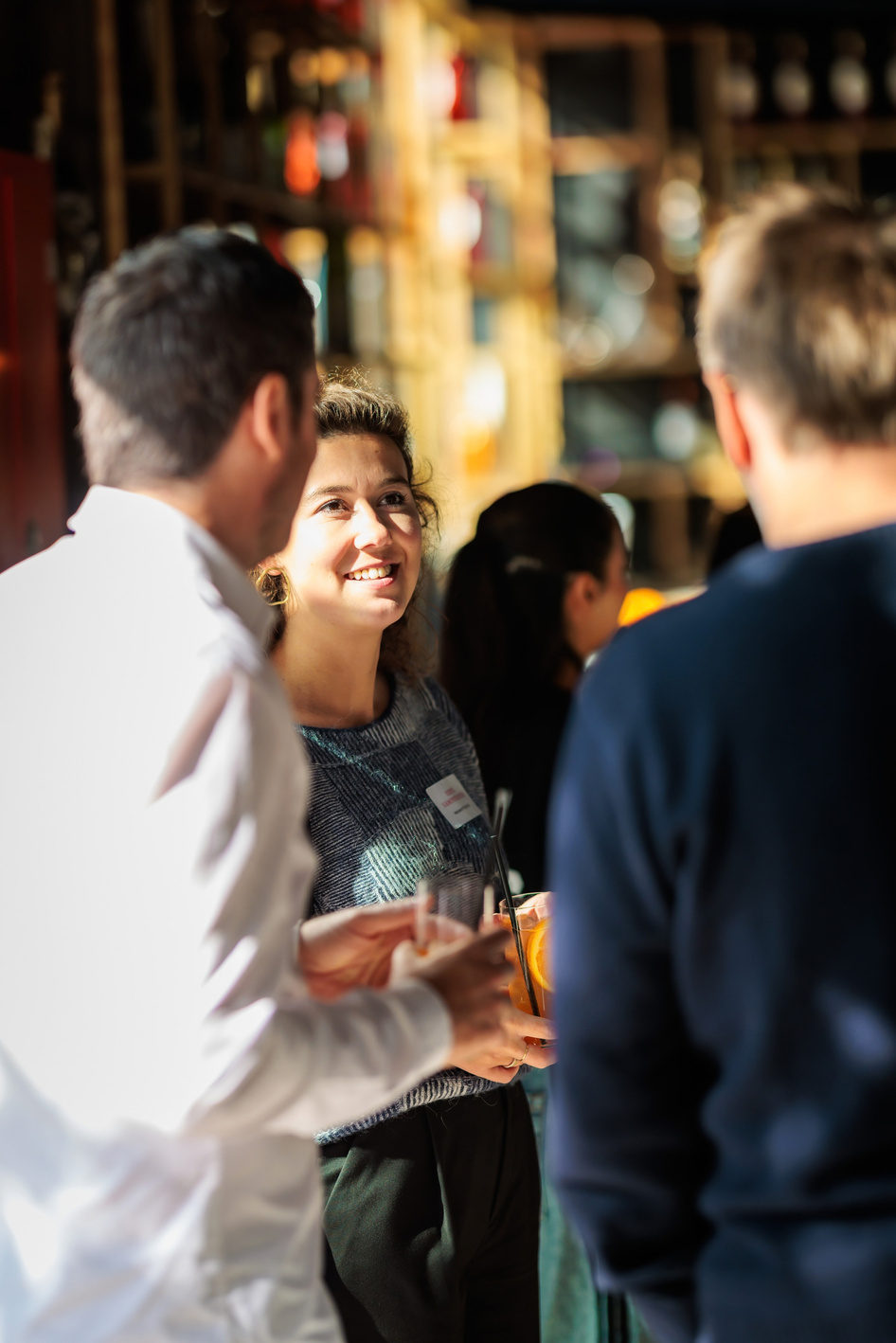
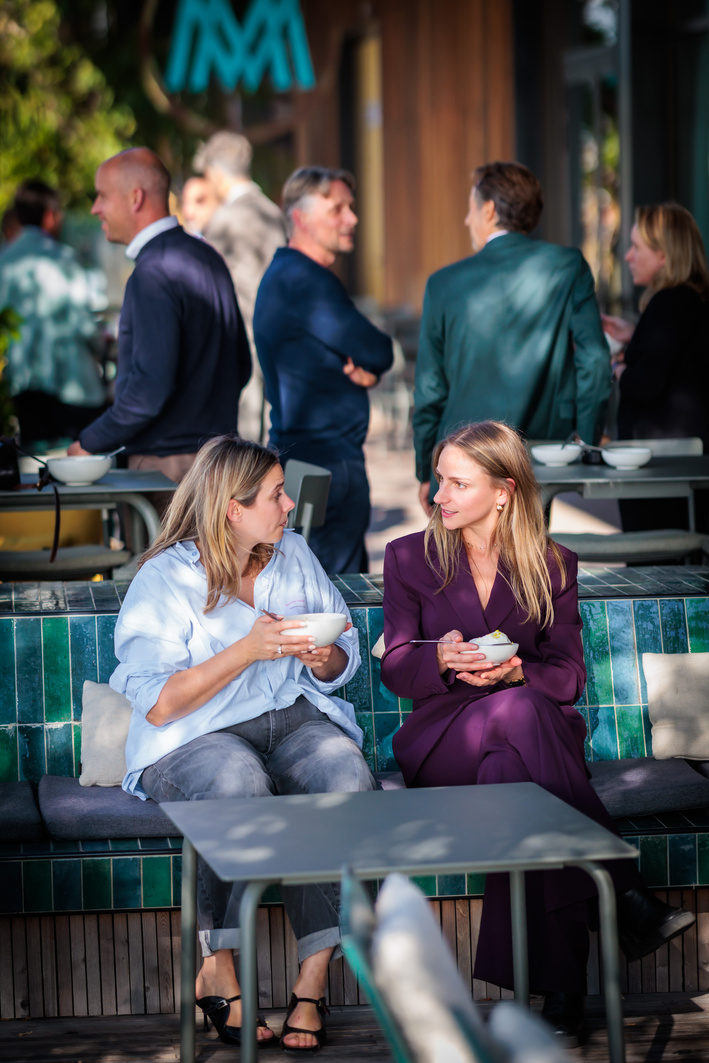
Four bleek de ideale setting voor zo'n namiddag: een warme, sfeervolle ruimte met zicht op het water. Na een ontvangst met cocktails, mocktails en de eerste hapjes schoof iedereen aan voor een lunch van verschillende gangen, afgesloten met een dessertbuffet. Tussendoor was er volop tijd om te netwerken. Retailers uit verschillende sectoren leerden elkaar kennen, wisselden ervaringen uit en legden nieuwe contacten.
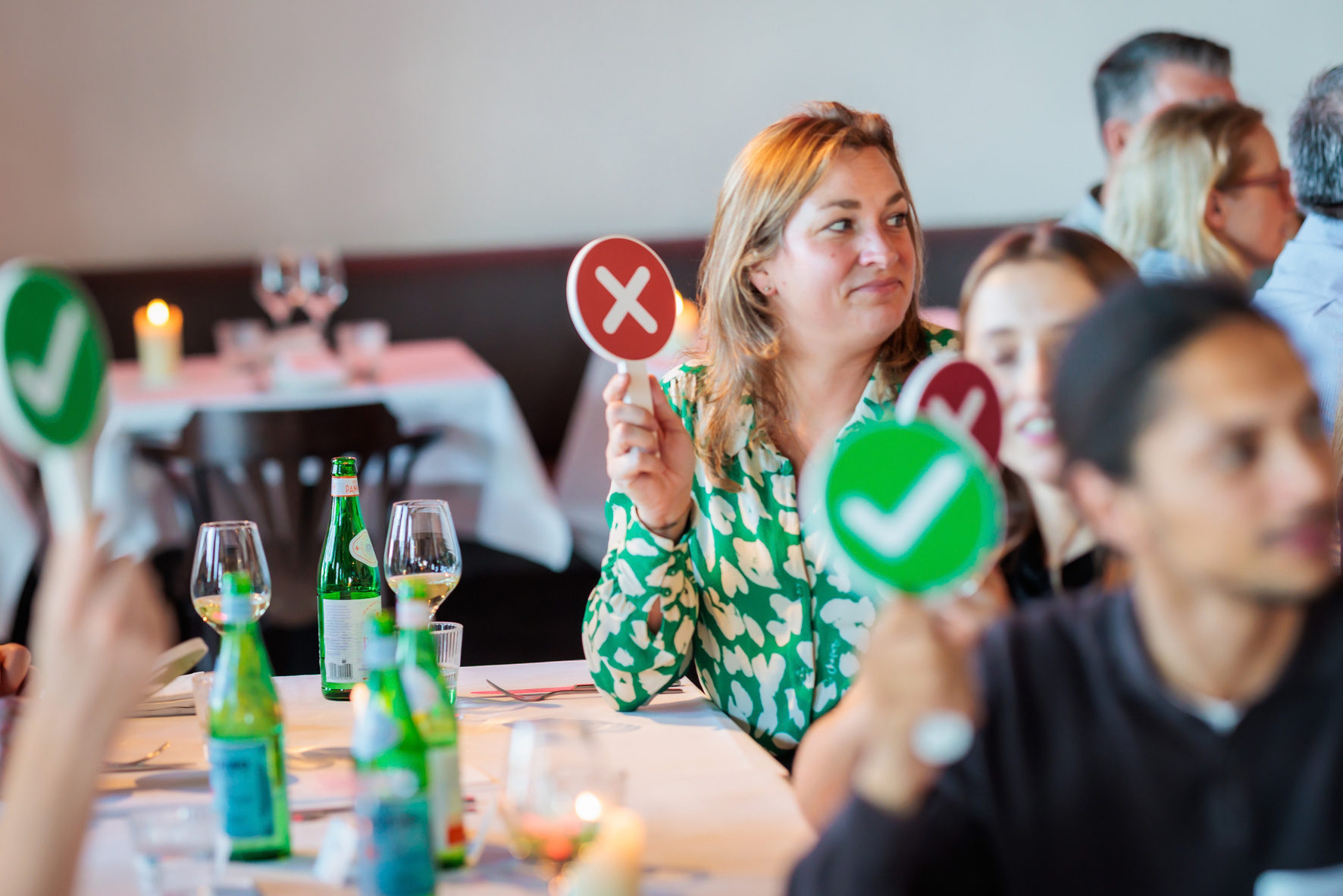
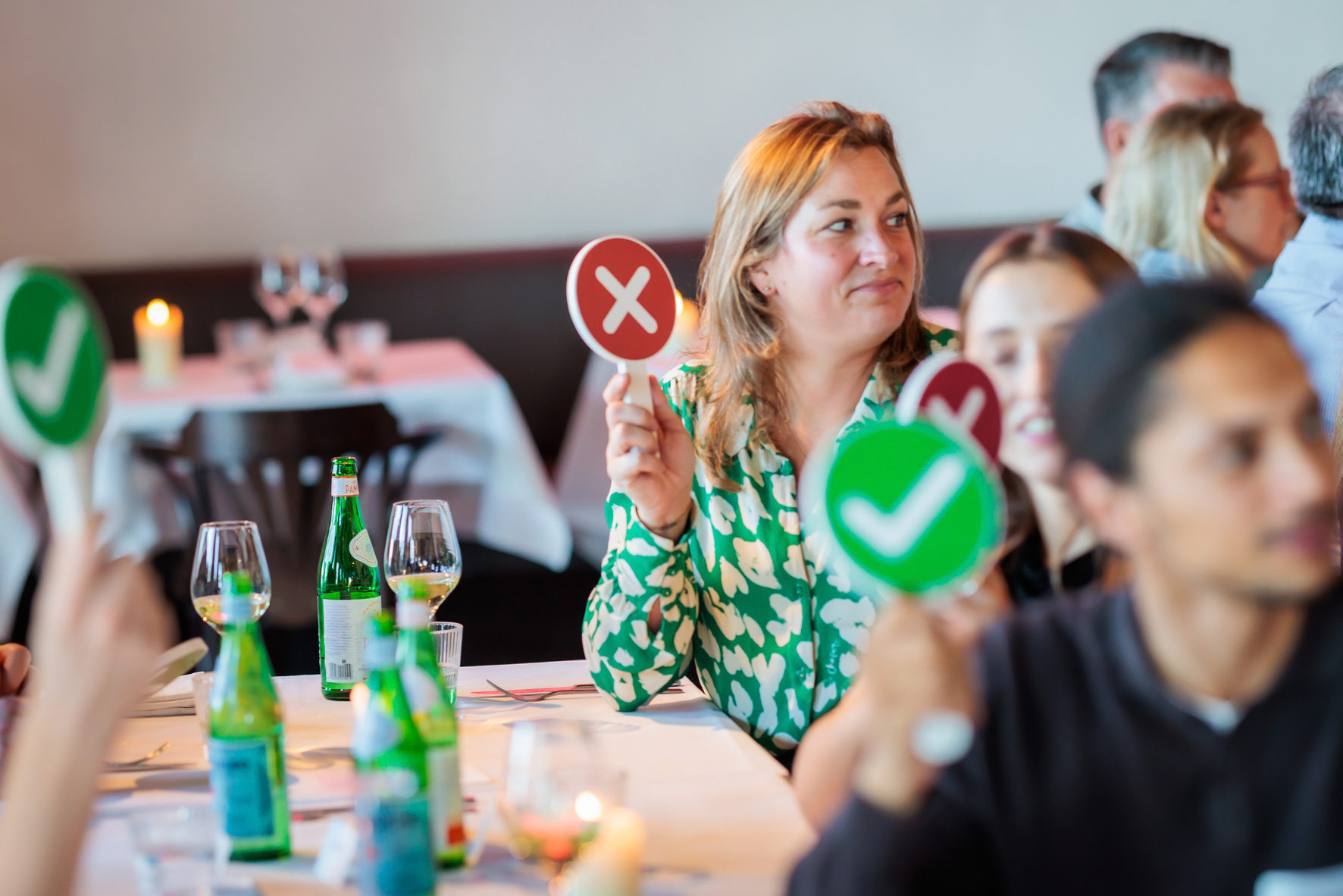
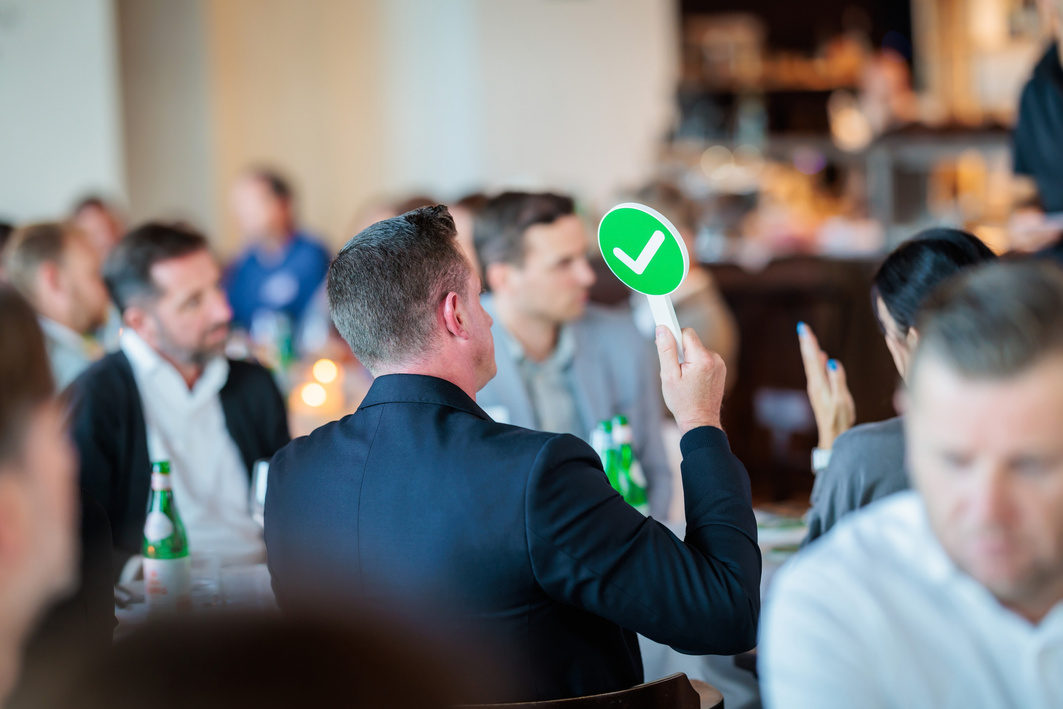
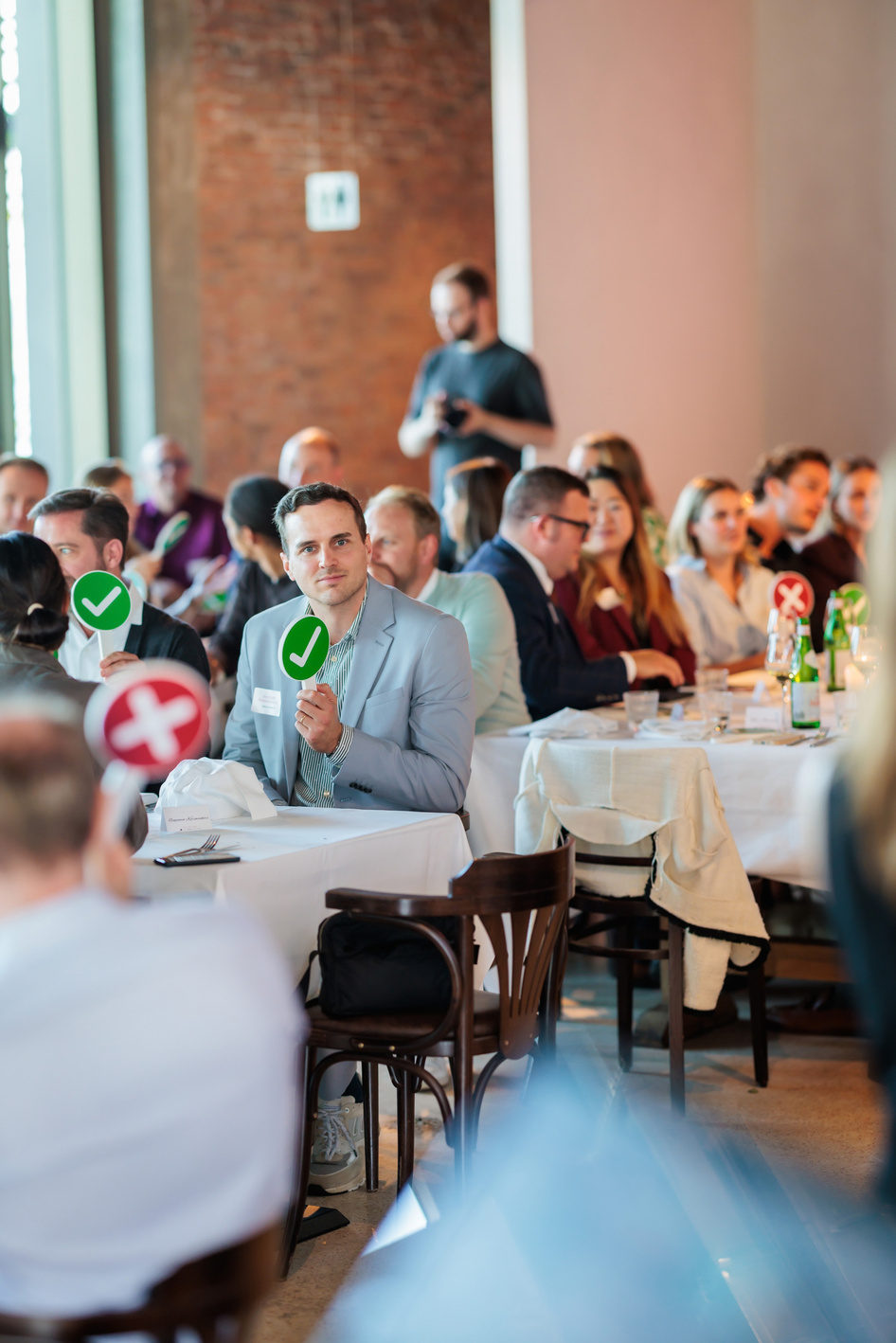
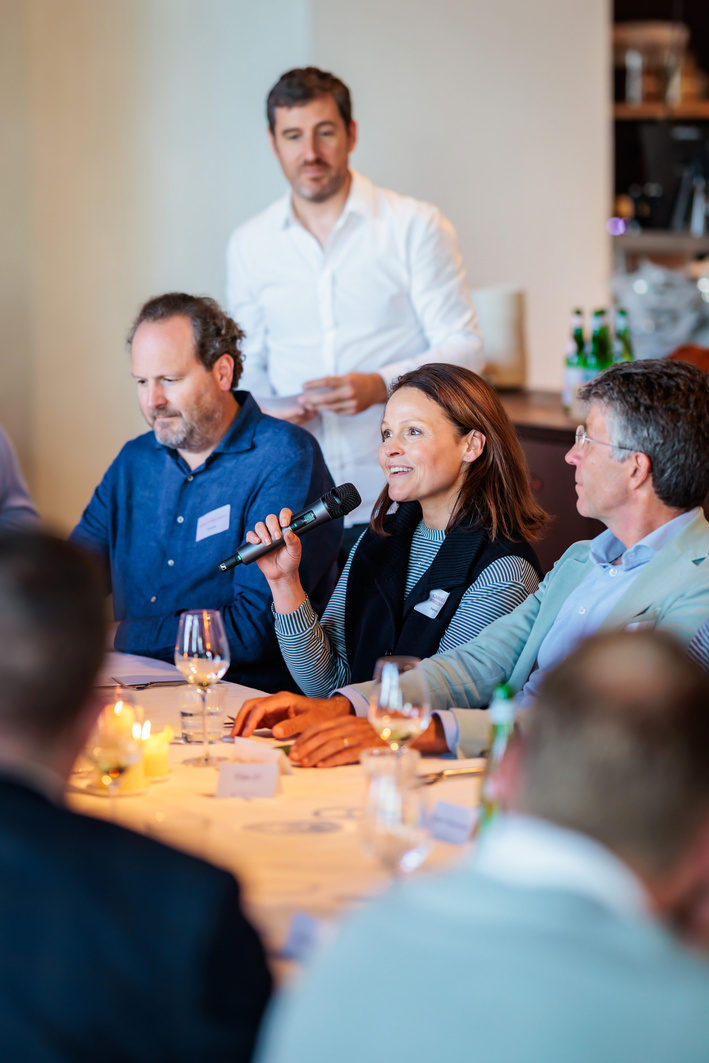
In plaats van een reeks presentaties kreeg de zaal vijf prikkelende stellingen voorgeschoteld. Het antwoord kwam met een bordje: groen voor akkoord, rood voor niet akkoord. De nuance volgde in het gesprek.


Waarom The Retail Table?
Een sterke winkelervaring maak je nooit alleen. Een winkel valt op door zijn gevel, overtuigt met zijn interieur en zet de juiste sfeer met licht en geur. Met data meet je vervolgens wat dat allemaal oplevert. Toch werken de specialisten achter die onderdelen vaak elk apart, en weet de sector niet altijd welke expertise er beschikbaar is.
Daarom bundelden vijf partners hun krachten. Samen dekken ze de volledige klantreis: van de eerste blik op straat tot het moment waarop je meet wat het allemaal oplevert. Met The Retail Table wilden ze de retailsector samenbrengen rond één overtuiging: de beste inzichten ontstaan wanneer retailers met elkaar praten, over de grenzen van disciplines heen.
Zo gingen de deelnemers naar huis met nieuwe contacten en inzichten om meteen mee aan de slag te gaan.
De organisatoren
Elk van de vijf organisatoren brengt een eigen stukje winkelervaring mee.
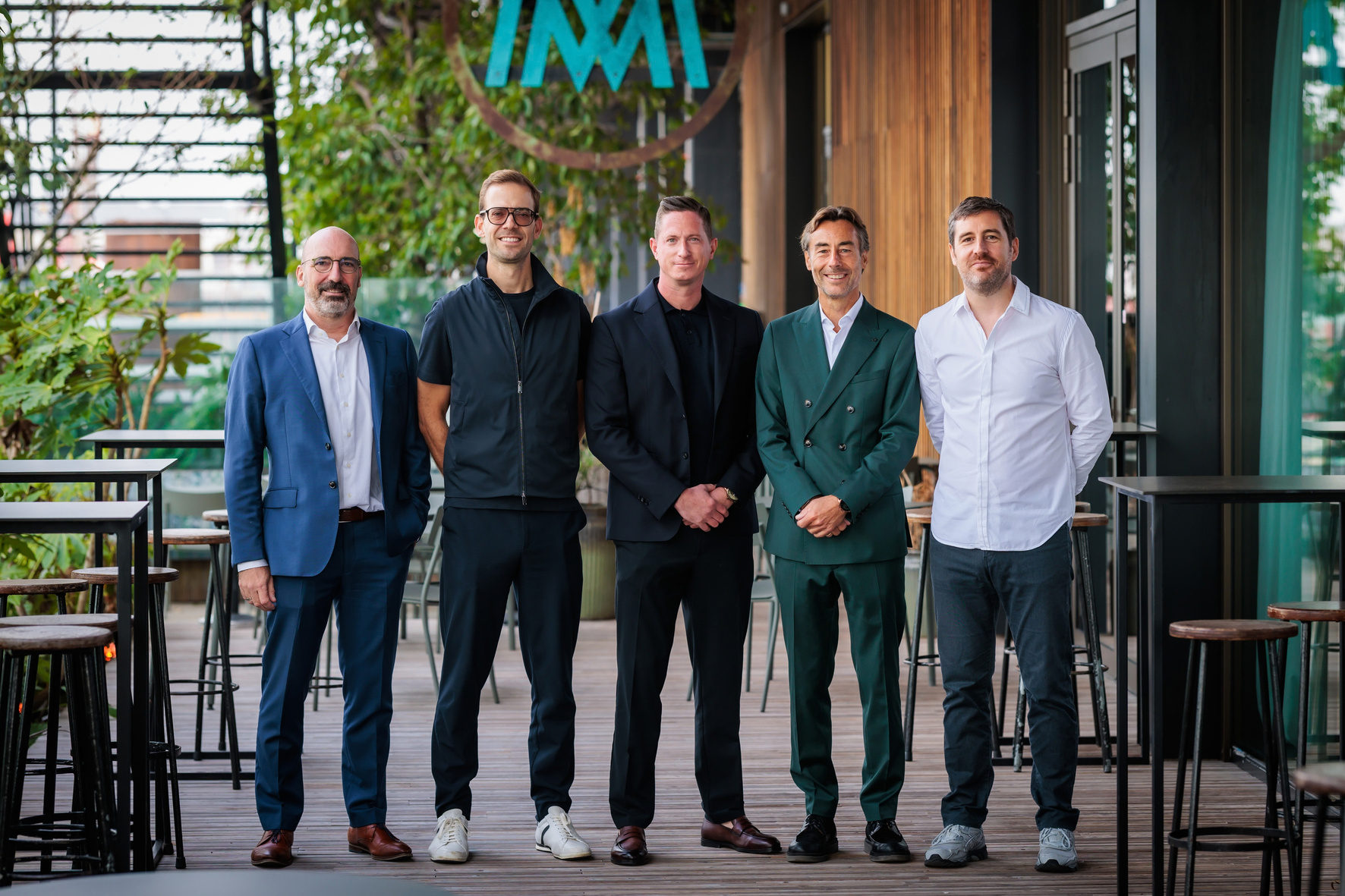
Van links naar rechts: Dries Martens van Neopaul Signs, Tom Thielemans van Megalighting, Jef Van Herck van The Retail Factory, Patrick Castelain van Scents Geurmarketing en Jan Geysen van Puur interieurarchitecten.
Dit familiebedrijf maakt al meer dan 60 jaar merken zichtbaar met lichtreclame, gevelbekleding, bewegwijzering en architecturale verlichting. Alles gebeurt in-house: van ontwerp en productie tot plaatsing en onderhoud.

Dit familiebedrijf zet licht en geluid in als ingrediënten voor sterke winkelomgevingen, met no-nonsense advies en kwalitatieve, betaalbare oplossingen. Met jaarlijks meer dan 200.000 m² aan retailprojecten kennen ze de uitdagingen van grootschalige roll-outs.

Strategische partner voor footfall intelligence. Al meer dan tien jaar levert TRF real-time bezoekersdata met tot 99% nauwkeurigheid, in-store en outdoor. Zo kunnen retailers hun locaties, klantbeleving en commerciële strategie datagedreven bijsturen.

Scents is specialist in geurbeleving, met een uitgebreid aanbod aan geuren. Ze staan in voor advies, levering, installatie en onderhoud, en kunnen ook een eigen merkgeur ontwikkelen.

Puur bedenkt, ontwerpt en realiseert innovatieve interieurs. Hun aanpak begint niet bij het ontwerp, maar bij analyse: van bestaande winkels, van afdelingen en vooral van het winkelpersoneel. Pas daarna volgt het ontwerp.
De stellingen
Het hart van de namiddag waren vijf stellingen, allemaal rond dezelfde centrale vraag: hoe blijft de fysieke winkel relevant? Ze werden tussen de gangen door voorgelegd en waren bewust scherp geformuleerd om het gesprek op gang te brengen.
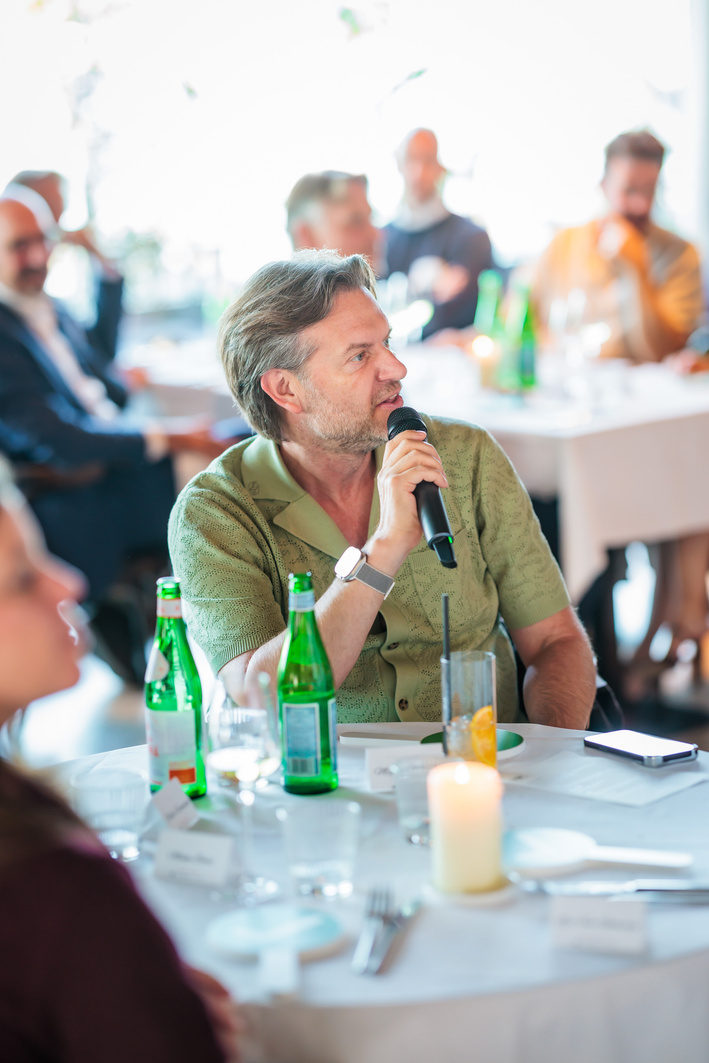
Bij elke stelling koos de zaal eerst met een groen of rood bordje. Daarna kregen de deelnemers het woord om hun keuze toe te lichten. Zo kwamen retailers uit heel verschillende sectoren aan bod, van mode en keukens tot parfumerie en outdoor. Hieronder lees je per stelling wat de discussie opleverde.
Stelling 1/5
Inzicht: kopen is zelden puur rationeel.
Wie akkoord ging, wees op de goed geïnformeerde klant van vandaag. Die vergelijkt online, kent de prijzen en komt vaak met een duidelijk idee de winkel binnen.
Anderen zagen dat helemaal anders. Kopen is vaker emotioneel dan rationeel. De echte reden om iets te kopen ligt bovendien vaak dieper dan wat de klant zelf zegt.
Een voorbeeld uit de zaal maakte dat concreet. Wie een barbecue koopt, praat over vermogen, formaat of prijs. Maar de echte drijfveer is vaak het plezier van koken voor vrienden en familie. Dat zegt de klant zelden, maar het bepaalt wel zijn keuze.
Twee nuances kwamen daarbij sterk naar voren. Vermijd frictie: als de beslissing emotioneel is, kan elk stopmoment in de klantreis die emotie doorbreken. Budget speelt wel een rationele rol: mensen hebben vandaag minder te besteden. Het gevoel beslist, maar binnen de grenzen van het budget.

Stelling 2/5
Inzicht: breed, maar niet te breed.
De discussie begon bij een paradox. Een breed aanbod trekt klanten aan, maar veel keuze geeft ook stress. En uiteindelijk kopen klanten vaak steeds dezelfde vijf producten uit een aanbod van 50.
Uit de modesector kwam een sprekend voorbeeld. Bij een collectie van 300 stuks komt zo'n 80% van de verkoop uit een handvol stijlen. Een te breed aanbod werkt in een fysieke winkel dus niet: het neemt ruimte in, maar levert weinig op. Een smal assortiment met hoge rotatie werkt vaak beter: enkele sterke stijlen in verschillende varianten, met weinig nabestellingen.
Tegelijk hangt het juiste antwoord af van het segment en de strategie. Fast fashion kiest bewust voor een breed en snel wisselend aanbod. Luxe werkt net met schaarste: minder keuze maakt het product exclusiever. Online kan alles, zoals bijvoorbeeld Amazon toont.
Een andere retailer waarschuwde voor de keerzijde. Schrap trage artikelen niet blind. Een klant die dat ene product niet meer vindt, komt misschien nooit meer terug.
Stelling 3/5
Inzicht: luister, maar bepaal zelf de koers.
Deze stelling leverde de meest gevarieerde antwoorden op. Iedereen was het erover eens dat luisteren belangrijk is. De vraag was vooral hoe ver je daarin gaat.
Wie akkoord ging, wees op de transparantie van vandaag. Alles wordt gedeeld en besproken, dus klantfeedback is de basis om voorop te blijven. Een deelnemer merkte op dat de boardroom vaak te snel denkt zelf de antwoorden te hebben, terwijl klantsignalen net voorspellen wat de komende maanden en jaren belangrijk wordt.
Een retailer toonde hoe dat in de praktijk werkt. Na elke aankoop vraagt het bedrijf feedback via een NPS-score. Vooral de kwalitatieve antwoorden zijn waardevol, en die worden per afdeling bekeken. Het winkelpersoneel filtert die feedback en vertaalt ze naar concrete verbeteringen in de service.
Anderen waarschuwden dat de klant niet altijd weet wat hij wil. In een sector als keukens luister je naar de klant, maar stuur en begeleid je als specialist.
Een jonge retailer gaf een sprekend voorbeeld. Klanten vragen geregeld naar producten die niet in de visie van het concept passen. Wie zijn missie verloochent om aan elke vraag te voldoen, verliest net de klanten die daarvoor komen.
Ook rond duurzaamheid kwam die spanning naar boven. Als retailer geef je er best een eigen invulling aan en communiceer je daar transparant over: luisteren, maar zelf de route bepalen.
Een beddenwinkel bracht een ander perspectief. Daar bepaalt vooral de sfeer de verkoop: op het juiste moment groeten, een koffie aanbieden, samen aan tafel gaan zitten. Niet de productspecificaties, maar het verkoopteam maakt het verschil. Luisteren gebeurt dus niet alleen via enquêtes, maar ook in het gesprek op de winkelvloer.
Stelling 4/5
Inzicht: geen of-of, maar en-en
Deze stelling zorgde voor de meeste twijfel in de zaal. Veel deelnemers aarzelden welk bordje ze moesten opsteken, en dat zegt eigenlijk al genoeg.
De conclusie uit de zaal was helder: je hebt beide nodig. Zonder data stuur je op gevoel en mis je wat er werkelijk in je winkel gebeurt. Maar data alleen vertelt niet het hele verhaal. Ervaring helpt om cijfers te interpreteren, te begrijpen waarom ze zijn wat ze zijn, en er de juiste beslissingen aan te koppelen.
Stelling 5/5
Inzicht: advies en beleving blijven de kern.
De laatste stelling keek vooruit. Wat verwacht de klant van morgen van de winkel, nu bijna alles ook online kan?
Vanuit de parfumerie klonk een duidelijk antwoord. In de winkel leer je iets wat je online niet ziet. Klanten komen net voor dat extra advies, en dat geldt voor elke generatie.
Een retailer uit de verfsector nuanceerde: niet alleen de nieuwe generatie verandert, ook de huidige klanten evolueren. Een outdoorretailer ging wel akkoord. De nieuwe generatie verwacht steeds meer, maar advies en beleving blijven de kern. Tegelijk is er nog weinig zicht op wat de zogenaamde TikTok-generatie precies verwacht. Dat blijft voor veel retailers een open vraag.
Conclusie
Om relevant te blijven, moet ze zich onderscheiden met een sterke beleving en goed advies. Elke retailer staat daarbij voor een keuze: concurreren met online, of het net aanvullen.
Die beleving begint bij begrijpen waarom klanten echt kopen, een assortiment dat keuze biedt zonder te overweldigen, en luisteren zonder je eigen koers los te laten. Data en ervaring helpen om de juiste beslissingen te nemen. En op de winkelvloer maakt het team het verschil.


Wil je meer weten over deze inzichten, of over een van de expertises achter The Retail Table? Neem gerust rechtstreeks contact op met de organisatoren.
Neopaul Signs:info@neopaul.com
The Retail Factory:info@theretailfactory.eu
Megalighting:hello@megalighting.be
Scents:info@scents.be
Puur:info@puur.be
Wil je er de volgende keer bij zijn? Laat je gegevens achter, en we laten je als eerste weten wanneer een nieuwe editie van The Retail Table plaatsvindt.
Door in te dienen ga je akkoord met onze voorwaarden.
Plus de 50 professionnels du retail, cinq organisateurs, un après-midi de conversations captivantes. Retour sur The Retail Table et les enseignements de la journée.
Le mardi 6 octobre, plus de 50 professionnels du retail se sont retrouvés à table chez Four, à Anvers, pour la première édition de The Retail Table. Une question a traversé tout l'après-midi : comment le magasin physique reste-t-il pertinent ?
Four s'est révélé le cadre idéal : un lieu chaleureux, avec vue sur l'eau. Après un accueil avec cocktails, mocktails et les premières bouchées, chacun s'est installé pour un déjeuner en plusieurs services, clos par un buffet de desserts. Entre les plats, il y avait largement le temps de réseauter. Des retailers de secteurs différents ont fait connaissance, échangé leurs expériences et noué de nouveaux contacts.
Au lieu d'une série de présentations, la salle a reçu cinq affirmations volontairement tranchantes. La réponse se donnait avec une pancarte : verte pour d'accord, rouge pour pas d'accord. La nuance venait ensuite dans la discussion.
Pourquoi The Retail Table ?
Une expérience magasin forte ne se construit jamais seul. Un magasin se remarque par sa façade, convainc par son intérieur et installe la bonne atmosphère avec la lumière et le parfum. Les données mesurent ensuite ce que tout cela produit. Pourtant, les spécialistes de ces domaines travaillent souvent chacun de leur côté, et le secteur ne sait pas toujours quelle expertise est disponible.
C'est pourquoi cinq partenaires ont uni leurs forces. Ensemble, ils couvrent tout le parcours client : du premier regard dans la rue jusqu'au moment où l'on mesure ce que cela rapporte. Avec The Retail Table, ils voulaient rassembler le secteur autour d'une conviction : les meilleures idées naissent quand les retailers se parlent, au-delà des frontières de leur discipline.
Les participants sont ainsi repartis avec de nouveaux contacts et des enseignements à mettre en pratique tout de suite.
Les organisateurs
Chacun des cinq organisateurs apporte sa propre part de l'expérience magasin.
De gauche à droite : Dries Martens de Neopaul Signs, Tom Thielemans de Megalighting, Jef Van Herck de The Retail Factory, Patrick Castelain de Scents Geurmarketing et Jan Geysen de Puur, architectes d'intérieur.
Cette entreprise familiale rend les marques visibles depuis plus de 60 ans grâce aux enseignes lumineuses, aux habillages de façade, à la signalétique et à l'éclairage architectural. Tout se fait en interne : de la conception et de la production jusqu'à la pose et l'entretien.

Cette entreprise familiale utilise la lumière et le son comme ingrédients d'environnements commerciaux forts, avec des conseils sans détour et des solutions qualitatives et abordables. Avec plus de 200.000 m² de projets retail chaque année, elle connaît les défis des déploiements à grande échelle.
Partenaire stratégique en footfall intelligence. Depuis plus de dix ans, TRF fournit des données de fréquentation en temps réel, avec jusqu'à 99 % de précision, en magasin et à l'extérieur. Les retailers peuvent ainsi ajuster leurs emplacements, l'expérience client et leur stratégie commerciale sur la base des données.
Scents est spécialiste de l'expérience olfactive, avec une large gamme de parfums. L'entreprise assure le conseil, la livraison, l'installation et l'entretien, et peut aussi développer un parfum de marque.
Puur imagine, conçoit et réalise des intérieurs innovants. Leur approche ne commence pas par le dessin, mais par l'analyse : des magasins existants, des rayons et surtout du personnel. Le design vient ensuite.
Les affirmations
Le cœur de l'après-midi, c'étaient cinq affirmations, toutes autour de la même question : comment le magasin physique reste-t-il pertinent ? Elles ont été proposées entre les services et formulées volontairement de façon tranchée pour lancer la discussion.
Pour chaque affirmation, la salle choisissait d'abord avec une pancarte verte ou rouge. Les participants expliquaient ensuite leur choix. Des retailers de secteurs très différents ont pris la parole, de la mode et des cuisines à la parfumerie et à l'outdoor. Voici, affirmation par affirmation, ce que la discussion a produit.
Affirmation 1/5
Enseignement : acheter est rarement purement rationnel.
Ceux qui étaient d'accord ont évoqué le client bien informé d'aujourd'hui. Il compare en ligne, connaît les prix et entre souvent en magasin avec une idée précise.
D'autres voyaient les choses tout autrement. Acheter est plus souvent émotionnel que rationnel. La vraie raison d'un achat est souvent plus profonde que ce que le client dit lui-même.
Un exemple dans la salle l'a rendu concret. Celui qui achète un barbecue parle de puissance, de format ou de prix. Mais le vrai moteur est souvent le plaisir de cuisiner pour ses amis et sa famille. Le client le dit rarement, et pourtant cela détermine son choix.
Deux nuances sont ressorties fortement. Évitez la friction : si la décision est émotionnelle, chaque interruption dans le parcours peut casser cette émotion. Le budget joue bien un rôle rationnel : les gens ont aujourd'hui moins à dépenser. Le ressenti décide, mais dans les limites du budget.
Affirmation 2/5
Enseignement : large, mais pas trop large.
La discussion est partie d'un paradoxe. Une offre large attire les clients, mais trop de choix crée aussi du stress. Et au final, les clients achètent souvent les mêmes cinq produits dans un assortiment de 50.
Le secteur de la mode a donné un exemple parlant. Dans une collection de 300 pièces, environ 80 % des ventes viennent d'une poignée de styles. Une offre trop large ne fonctionne donc pas dans un magasin physique : elle prend de la place et rapporte peu. Un assortiment étroit à forte rotation fonctionne souvent mieux : quelques styles forts en plusieurs variantes, avec peu de réassorts.
En même temps, la bonne réponse dépend du segment et de la stratégie. La fast fashion choisit délibérément une offre large et qui tourne vite. Le luxe joue la rareté : moins de choix rend le produit plus exclusif. En ligne, tout est possible, comme Amazon le montre.
Un autre retailer a mis en garde contre l'envers du décor. Ne supprimez pas aveuglément les articles lents. Un client qui ne trouve plus ce produit-là ne reviendra peut-être jamais.
Affirmation 3/5
Enseignement : écoutez, mais gardez le cap.
Cette affirmation a produit les réponses les plus variées. Tout le monde s'accordait à dire qu'écouter est important. La question était surtout de savoir jusqu'où aller.
Ceux qui étaient d'accord ont insisté sur la transparence d'aujourd'hui. Tout se partage et se discute, donc le retour client est la base pour rester devant. Un participant a remarqué que le conseil d'administration pense souvent trop vite avoir les réponses, alors que les signaux clients prédisent justement ce qui comptera dans les mois et les années à venir.
Un retailer a montré comment cela fonctionne en pratique. Après chaque achat, l'entreprise demande un retour via un score NPS. Les réponses qualitatives sont surtout précieuses, et elles sont examinées par rayon. Le personnel filtre ces retours et les traduit en améliorations concrètes du service.
D'autres ont prévenu que le client ne sait pas toujours ce qu'il veut. Dans un secteur comme les cuisines, on écoute le client, mais on guide en spécialiste.
Un jeune retailer a donné un exemple parlant. Les clients demandent régulièrement des produits qui ne correspondent pas à la vision du concept. Celui qui trahit sa mission pour répondre à chaque demande perd précisément les clients qui viennent pour elle.
La même tension est apparue autour de la durabilité. En tant que retailer, mieux vaut lui donner sa propre interprétation et communiquer de façon transparente : écouter, mais tracer soi-même la route.
Un magasin de literie a apporté un autre regard. Là, c'est surtout l'atmosphère qui fait la vente : saluer au bon moment, proposer un café, s'asseoir ensemble à table. Ce ne sont pas les spécifications du produit, mais l'équipe de vente qui fait la différence. Écouter ne se fait donc pas seulement via des enquêtes, mais aussi dans la conversation en magasin.
Affirmation 4/5
Enseignement : pas l'un ou l'autre, mais les deux.
Cette affirmation a créé le plus de doute dans la salle. Beaucoup de participants hésitaient sur la pancarte à lever, et cela en dit déjà long.
La conclusion de la salle était claire : il faut les deux. Sans données, on pilote au ressenti et on manque ce qui se passe vraiment en magasin. Mais les données seules ne racontent pas toute l'histoire. L'expérience aide à interpréter les chiffres, à comprendre pourquoi ils sont ce qu'ils sont, et à en tirer les bonnes décisions.
Affirmation 5/5
Enseignement : le conseil et l'expérience restent le cœur.
La dernière affirmation regardait vers l'avenir. Qu'attend le client de demain du magasin, maintenant que presque tout est aussi possible en ligne ?
La parfumerie a donné une réponse claire. En magasin, on apprend quelque chose qu'on ne voit pas en ligne. Les clients viennent justement pour ce conseil en plus, et cela vaut pour chaque génération.
Un retailer du secteur de la peinture a nuancé : ce n'est pas seulement la nouvelle génération qui change, les clients actuels évoluent aussi. Un retailer outdoor était d'accord. La nouvelle génération en attend toujours plus, mais le conseil et l'expérience restent le cœur. En même temps, on voit encore mal ce que la génération dite TikTok attend précisément. Pour beaucoup de retailers, cela reste une question ouverte.
Conclusion
Pour rester pertinent, il doit se distinguer par une expérience forte et un bon conseil. Chaque retailer a alors un choix : concurrencer le online, ou justement le compléter.
Cette expérience commence par comprendre pourquoi les clients achètent vraiment, un assortiment qui offre du choix sans submerger, et écouter sans lâcher son propre cap. Les données et l'expérience aident à prendre les bonnes décisions. Et en magasin, c'est l'équipe qui fait la différence.
Vous voulez en savoir plus sur ces enseignements, ou sur l'une des expertises derrière The Retail Table ? Contactez directement les organisateurs.
Neopaul Signs :info@neopaul.com
The Retail Factory :info@theretailfactory.eu
Megalighting :hello@megalighting.be
Scents :info@scents.be
Puur :info@puur.be
Vous voulez être de la partie la prochaine fois ? Laissez vos coordonnées, et nous vous préviendrons en premier lorsqu'une nouvelle édition de The Retail Table aura lieu.
En envoyant ce formulaire, vous acceptez nos conditions.
More than 50 retail professionals, five organisers, an afternoon of compelling conversations. A look back at The Retail Table and the insights the day produced.
On Tuesday 6 October, more than 50 retail professionals sat down at Four in Antwerp for the first edition of The Retail Table. One question ran through the afternoon: how does the physical store stay relevant?
Four turned out to be the right setting: a warm room with a view of the water. After a welcome with cocktails, mocktails and the first bites, everyone sat down to a lunch of several courses, closed by a dessert buffet. Between courses there was plenty of time to network. Retailers from different sectors met, swapped experience and made new contacts.
Instead of a run of presentations, the room was given five deliberately sharp statements. The answer came with a paddle: green for agree, red for disagree. The nuance followed in the conversation.
Why The Retail Table?
A strong store experience is never built alone. A store is noticed for its façade, convinces with its interior, and sets the right mood with light and scent. Data then measures what all of that delivers. Yet the specialists behind those parts often work separately, and the sector does not always know which expertise is available.
That is why five partners joined forces. Together they cover the whole customer journey: from the first glance on the street to the moment you measure what it all returns. With The Retail Table they wanted to bring the retail sector together around one conviction: the best insights appear when retailers talk to each other, across the boundaries of their disciplines.
Guests went home with new contacts and insights they could put to work straight away.
The organisers
Each of the five organisers brings a piece of the store experience.
From left to right: Dries Martens of Neopaul Signs, Tom Thielemans of Megalighting, Jef Van Herck of The Retail Factory, Patrick Castelain of Scents Geurmarketing and Jan Geysen of Puur interior architects.
This family business has been making brands visible for more than 60 years with illuminated signs, façade cladding, wayfinding and architectural lighting. Everything happens in-house: from design and production to installation and maintenance.
This family business uses light and sound as ingredients for strong store environments, with straightforward advice and quality solutions at a fair price. With more than 200,000 m² of retail projects a year, they know the challenges of large-scale roll-outs.
Strategic partner for footfall intelligence. For more than ten years TRF has delivered real-time visitor data with up to 99% accuracy, in-store and outdoors. Retailers can use it to adjust locations, the customer experience and commercial strategy with data.
Scents specialises in scent experience, with a wide range of fragrances. They handle advice, delivery, installation and maintenance, and can also develop a brand's own scent.
Puur conceives, designs and builds innovative interiors. Their approach does not start with the drawing, but with analysis: of existing stores, of departments and above all of the staff. Only then comes the design.
The statements
The heart of the afternoon was five statements, all around the same question: how does the physical store stay relevant? They were put to the room between courses and worded sharply on purpose, to get the conversation going.
For each statement the room first chose with a green or red paddle. Guests then explained their choice. Retailers from very different sectors spoke, from fashion and kitchens to perfume and outdoor. Below, statement by statement, is what the discussion produced.
Statement 1/5
Insight: buying is rarely purely rational.
Those who agreed pointed to today's well-informed customer. They compare online, know the prices and often walk in with a clear idea.
Others saw it quite differently. Buying is more often emotional than rational. The real reason for a purchase often sits deeper than what the customer says.
An example from the room made that concrete. Someone buying a barbecue talks about power, size or price. But the real driver is often the pleasure of cooking for friends and family. The customer rarely says that, yet it decides the choice.
Two nuances came through strongly. Avoid friction: if the decision is emotional, every stop in the journey can break that emotion. Budget does play a rational role: people have less to spend today. Feeling decides, but within the limits of the budget.
Statement 2/5
Insight: broad, but not too broad.
The discussion started from a paradox. A wide range attracts customers, but too much choice also creates stress. In the end, customers often buy the same five products out of a range of 50.
Fashion offered a clear example. In a collection of 300 pieces, about 80% of sales come from a handful of styles. Too wide a range does not work in a physical store: it takes space and returns little. A narrow range with high rotation often works better: a few strong styles in several variants, with few reorders.
At the same time, the right answer depends on the segment and the strategy. Fast fashion deliberately chooses a wide, fast-changing range. Luxury works with scarcity: less choice makes the product more exclusive. Online, everything is possible, as Amazon shows.
Another retailer warned about the other side. Do not cut slow items blindly. A customer who can no longer find that one product may never come back.
Statement 3/5
Insight: listen, but set the course yourself.
This statement produced the most varied answers. Everyone agreed that listening matters. The question was how far to go.
Those who agreed pointed to today's transparency. Everything is shared and discussed, so customer feedback is the basis for staying ahead. One guest noted that the boardroom often thinks too quickly that it already has the answers, while customer signals predict what will matter in the months and years ahead.
A retailer showed how that works in practice. After every purchase the company asks for feedback through an NPS score. The qualitative answers are especially valuable, and they are reviewed by department. Store staff filter that feedback and turn it into concrete improvements in service.
Others warned that the customer does not always know what they want. In a sector such as kitchens, you listen to the customer, but you steer and guide as the specialist.
A young retailer gave a clear example. Customers regularly ask for products that do not fit the vision of the concept. Whoever abandons the mission to meet every request loses exactly the customers who come for it.
The same tension came up around sustainability. As a retailer you are better off giving it your own meaning and communicating that openly: listen, but decide the route yourself.
A bed store brought another view. There, atmosphere does most of the selling: greeting at the right moment, offering a coffee, sitting down at the table together. It is not the product specifications but the sales team that makes the difference. Listening happens not only through surveys, but also in the conversation on the shop floor.
Statement 4/5
Insight: not either-or, but both.
This statement created the most doubt in the room. Many guests hesitated over which paddle to raise, and that already says enough.
The conclusion from the room was clear: you need both. Without data you steer on feeling and miss what is really happening in the store. But data alone does not tell the whole story. Experience helps to interpret the numbers, to understand why they are what they are, and to attach the right decisions to them.
Statement 5/5
Insight: advice and experience remain the core.
The last statement looked ahead. What will tomorrow's customer expect from the store, now that almost everything is also available online?
Perfume gave a clear answer. In the store you learn something you cannot see online. Customers come precisely for that extra advice, and that holds for every generation.
A retailer from the paint sector added a nuance: it is not only the new generation that is changing, current customers are evolving too. An outdoor retailer did agree. The new generation expects more and more, but advice and experience remain the core. At the same time there is still little sight of what the so-called TikTok generation actually expects. For many retailers that remains an open question.
Conclusion
To stay relevant, it has to stand out with a strong experience and good advice. Every retailer then faces a choice: compete with online, or complement it.
That experience starts with understanding why customers really buy, a range that offers choice without overwhelming, and listening without letting go of your own course. Data and experience help to make the right decisions. And on the shop floor, the team makes the difference.
Want to know more about these insights, or about one of the areas of expertise behind The Retail Table? Get in touch with the organisers directly.
Neopaul Signs:info@neopaul.com
The Retail Factory:info@theretailfactory.eu
Megalighting:hello@megalighting.be
Scents:info@scents.be
Puur:info@puur.be
Want to be there next time? Leave your details, and we will let you know first when a new edition of The Retail Table takes place.
By submitting you agree to our terms.
Dit artikel gebruikt de aparte Retail Table-opmaak.
Vul onderstaand formulier in en we bezorgen het in je inbox.
